Autore: Redazione ArcheoMe

English Version

ARCHAEOLOGY | Cassiodorus’ Scolacium

Scolacium, the city of Cassiodorus, also known as Scylletium, is an ancient coastal city of Brutium, whose foundation dates back to the mid-sixth century BC by Greek settlers, perhaps from Athens or Kroton. We find ourselves in a scenic place, overlooking the sea on the Gulf of Squillace, where among centenary olive trees the monumental remains of a Byzantine basilica stand out. However, Scolacium has a history much more distant in time, that of Magna Graecia and ancient Rome.

History of ancient Skylletion

Because of its strategic position on the sea, it had great importance within the balance of Magna Graecia, being located between Kroton and Locri Epizephyrii, who contended for the primacy of maritime trade. At first linked to Kroton, then passed under the domination of Locri in the fourth century BC. The town was also involved in the Peloponnesian War, at the end of the 5th century, and therefore, had a role not only in the Magna Graecia events, but also in a wider context that concerned the whole Greek world.

The Romans recovered the city precisely because of its strategic position and transformed it: the emperor Nerva renamed it colonia Minerva Nervia Augusta Scolacium and reformed its urban planning and the surrounding agricultural territory. The city thrived in wealth in Roman times and also saw the birth of Cassiodorus, one of the most important authors of the late Roman period, an important figure for the recovery of ancient culture in these years of decadence.

What remains of the Roman colony

The Roman Theatre of Scolacium was built using the natural slope and the cavity offered by a clayish hill close to the Roman forum; it was built around the first century AD, once deduced the Roman colony of Scolacium, which replaced the ancient polis of Skylletion.

During the second century A.D. the emperor Nerva had the Roman colony restructured, within which the theatre was enlarged and equipped with a new stage, with renovations that continued until the fourth century AD.

From this area comes much of the marble and clay decoration of the same structure, including capitals, antefixes and columns, which are elements of the scene, as well as an epigraph of Fors Fortuna, all exhibited in the Antiquarium housed in Villa Mazza, in Roccelletta di Borgia.

The Amphitheatre and the Forum
anfiteatro
The Roman amphitheatre of Scolacium

The Amphitheatre, from the era of Nerva, a few meters from the Theatre, is followed by at least three thermal baths, necropolis and aqueducts. These are the remains of the only Roman amphitheatre in Calabria: the building stands in a marginal sector of the colony, where refined sculptures have been found, such as the statue of Fortune, the Genius of Augustus and a rare statue of Germanicus, the adopted son of the Emperor Tiberius.

In the eastern sector, a “hollow structure” sector was added, with elements on at least two levels, with arches and vaults in brick and stone concretion. The lower one, which develops along the major axis of the amphitheatre, also served as the entrance to the arena (Vomitorium). On its sides there were two other smaller vomitoria, which allowed the spectators to reach the upper sectors of the cavea.

ricostruzione foro
Digital reconstruction of the Roman Forum

The Forum, with its particular brick paving, which has no comparison in the whole Roman world, together with the remains of some buildings, including the Curia, the Cesareum and the Capitolium, consists of a rectangular area paved with bricks, surrounded by arcades, a small temple, a fountain and finally the court. Here were found statues and portraits that today are preserved in the Antiquarium.

Tradotto da: https://archeome.it/archeologia-la-scolacium-di-cassiodoro/

Pubblicabili da revisionare

ARCHEOLOGIA | La Scolacium di Cassiodoro

Scolacium, città di Cassiodoro, detta anche Scylletium, è un’antica città costiera del Bruzio, la cui fondazione risale alla metà del VI secolo a.C. ad opera di coloni greci provenienti forse da Atene o da Crotone. Ci si ritrova in un luogo scenografico, con vista mare sul golfo di Squillace, dove tra ulivi centenari spiccano i monumentali resti di una basilica bizantina. Ma Scolacium ha una storia molto più lontana nel tempo, quella della Magna Grecia e dell’antica Roma.

Storia dell’antica Skylletion

Per la sua posizione strategica sul mare ha avuto grande importanza all’interno degli equilibri della Magna Grecia, trovandosi tra Crotone e Locri Epizefiri, che si contendevano il primato dei commerci marittimi. In un primo momento legata a Crotone, passò poi sotto la dominazione di Locri nel IV secolo a.C. La città fu coinvolta anche nella Guerra del Peloponneso, alla fine del V secolo, e dunque, ebbe un ruolo non solo nelle vicende magno-greche, ma anche in un contesto più ampio che riguardava tutto il mondo greco.

I Romani recuperarono la città proprio per la sua posizione strategica e la trasformarono: l’imperatore Nerva la ribattezzò colonia Minerva Nervia Augusta Scolacium, e ne riformò l’assetto urbanistico ed il territorio agricolo circostante. La città prosperò in ricchezza in epoca romana e vide anche la nascita di Cassiodoro, uno dei più importanti autori della tarda romanità, personaggio importante per il recupero della cultura antica in questi anni di decadenza.

Ciò che resta della colonia romana

Il Teatro romano di Scolacium venne costruito sfruttando il pendio naturale e la cavità offerta da una collina argillosa posta a ridosso del foro romano; fu costruito intorno al I secolo d.C., una volta dedotta la colonia romana di Scolacium, che sostituì l’antica polis di Skylletion.

Nel corso del II secolo d.C. l’imperatore Nerva fece ristrutturare la colonia romana, nell’ambito della quale il teatro venne ampliato e dotato di una nuova scena, con rifacimenti protratti sino al IV secolo d.C.

Da quest’area proviene gran parte della decorazione marmorea e fittile della stessa struttura, tra cui capitelli, antefisse e colonne, che costituiscono elementi della scena, nonchè un’epigrafe della Fors Fortuna, tutto esposto nell’Antiquarium ospitato all’interno di Villa Mazza, in località Roccelletta di Borgia.

L’anfiteatro e il Foro
anfiteatro
L’anfiteatro romano di Scolacium

L’Anfiteatro, dell’epoca di Nerva, a pochi metri dal Teatro, è seguito da almeno tre impianti termali, necropoli e acquedotti. Si tratta dei resti dell’unico anfiteatro romano in Calabria: l’edificio sorge in un settore marginale della colonia, dove sono state reperite raffinate sculture, come la statua della Fortuna, il Genio di Augusto e un raro esemplare statuario di Germanico, il figlio adottivo dell’imperatore Tiberio.

Nel settore orientale si aggiunse un settore «a struttura cava», con elementi relativi ad almeno due livelli, con arcate e volte in concrezione di laterizi e pietrame. Quella più bassa, che si sviluppa lungo l’asse maggiore dell’anfiteatro, fungeva anche da entrata all’arena (Vomitorium). Ai suoi lati vi erano altri due vomitoria minori, che permettevano agli spettatori di raggiungere i settori superiori della cavea.

ricostruzione foro
Ricostruzione digitale del Foro romano

Il Foro, con la sua particolare pavimentazione in laterizio, che non ha confronti in tutto il mondo romano, insieme ai resti di alcuni edifici, tra cui la Curia, il Cesareum e il Capitolium, è costituito da un’area rettangolare pavimentata con mattoni, circondata da portici, un tempietto, una fontana ed infine il tribunale. Qui vennero rinvenute statue e ritratti che oggi sono conservati nell’Antiquarium.

Archivio

NEWS | A Marsala riemergono 37 tombe e due ipogei

Durante i lavori per le fognature sono state trovate tombe e ipogei forse appartenenti alla necropoli di Lilibeo

A Marsala, durante le operazioni per i lavori fognari, alcuni operari hanno fatto per caso una scoperta impressionante. A pochi metri di profondità i lavoratori, scavando, scorgono alcuni resti antichi. Ed ecco che riaffiorano ben 37 tombe e due ipogei, facenti parte della Necropoli di Lilibeo. Il luogo del ritrovamento è in Via de Gasperi, a Marsala.

Tra tutti i rinvenimenti, quelli che fanno più parlare sono gli ipogei: questi sono stati scavati per oltre 8 metri di profondità e nasconderebbero due camere. Una volta resisi conto del ritrovamento, gli archeologi hanno immediatamente fermato i lavori e allertato la Soprintendenza dei Beni Culturali di Trapani.

Lilibeo, l’antica Marsala

Le tombe e gli ipogei che sono riemerse a Marsala potrebbero essere un essenziale strumento per chiarire definitivamente l’importante storia dell’antica Lilibeo. Proprio sotto Marsala si estendeva, nell’antichità, la città di Lilibeo. Questa, di fondazione punica, successivamente fu modificata e sviluppata in età romana imperiale. In particolare, a testimonianza della fase romana, persiste l’area di Capo Boeo, che conserva i resti di una villa romana di fine II – inizi III secolo d.C. provvista di terme e pavimenti musivi.

L’ipogeo di Crispia Salvia


Ipogeo di Crispia Salvia. Fonte: marsalaturismo.com

Tutti, insomma, sono con gli occhi puntati verso i due nuovi ipogei appena scoperti. Non è da escludere che sotto via de Gasperi a Marsala ci siano siti importanti come l’ipogeo di Crispia Salvia. Questo ipogeo, situato in un luogo non molto distante dal luogo dell’ultima scoperta e rinvenuto nel 1994, è molto interessante. Si tratta di un’area sepolcrale punica, che venne poi utilizzata, da pagani e cristiani, fino alla tarda età romano-imperiale e paleocristiana.


English Version

THEATRE | Discovering Teatro Massimo in Palermo, the largest theatre in Italy

Palermo, the county seat of Sicily, offers the traveller numerous wonders of architecture, from the Arab-Norman to the Byzantine, and there is no lack of masterpieces that have evolved over time, in a fusion of different stylistic trends.

Every corner has something to offer, but the historic centre certainly holds architectural jewels of cultural and artistic interest, such as the Teatro Massimo Vittorio Emanuele, better known simply as Teatro Massimo.

The structure of the Teatro Massimo

The Massimo is the largest theatrical building in Italy and the third largest in Europe, after the Opéra National in Paris and the Staatsoper in Vienna. 

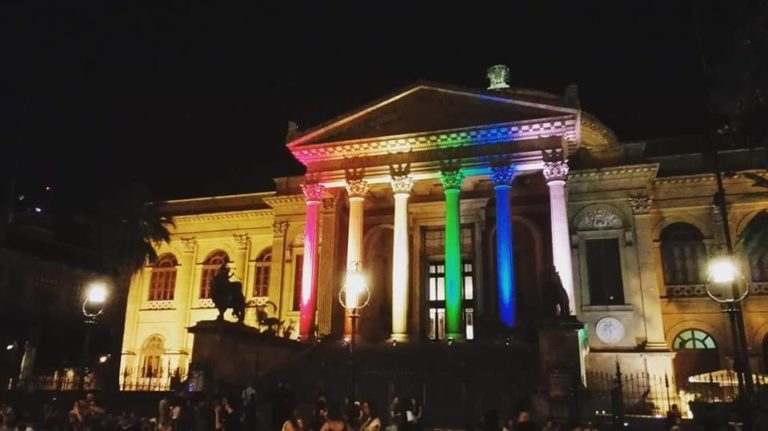
The entire external structure features elements in neoclassical style, with references to Greek and Roman religious architecture: the front façade is made up of a pronaos of six Corinthian columns, raised on a staircase, on either side of which there are two bronze lion-shaped sculptures, allegories of Tragedy and Opera. The vault with the enormous hemispherical dome is also in neoclassical style and a system of rollers allows the temperature of the interior to be regulated.

Façade of Teatro Massimo

The colossal dimensions of the theatre are due not only to the imposing monumental façade, but also to the set of halls, galleries and representative rooms that surround and complete the theatre itself.

The halls of the Massimo

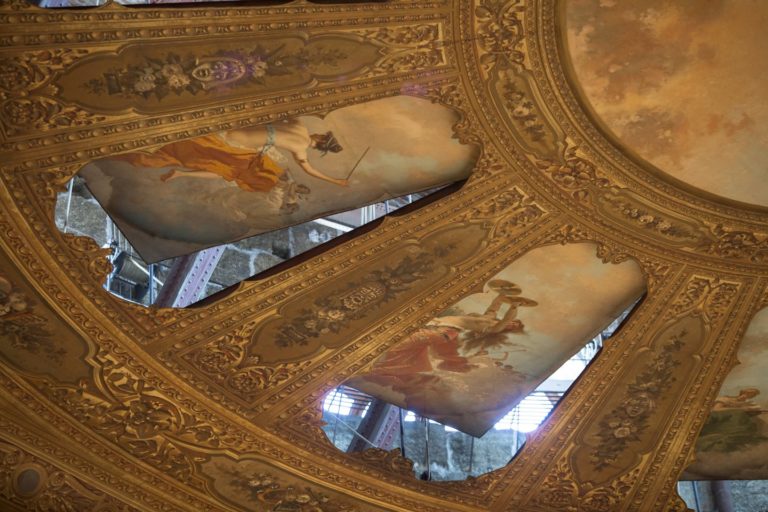
The main hall, or Great Hall, has a horseshoe shape and contains five orders of 31 boxes each, in addition to the gallery. It has a capacity of 1247 seats and the hall boasts perfect acoustics. The stalls are overlooked by the Symbolic Wheel, a special ceiling composed of eleven wooden panels frescoed in the shape of a petal representing the “Triumph of Music” by Luigi Di Giovanni. The petals are mobile: a mechanism modulates their opening upwards, so that warm air can escape and guarantee excellent ventilation of the theatre in a natural way.

Moving panels

At the centre of the second tier of boxes is the so-called Palco Reale, designed by Ernesto Basile, with 27 seats and a private foyer: the “Salone del Sovrano“, embellished with mahogany coverings and a sumptuous Murano chandelier; red brocade armchairs and sofas complete the furnishings and 9 mirrors are fixed on the walls. On the doors and capitals is affixed the Savoy royal coat of arms. 

The guided tour of the theatre also takes the visitor inside the Sala Pompeiana: the whole room is designed according to proportionality linked to the number 7 and its multiples. The symbolism of number 7 refers to the musical notes, the strings of the lyre, the days of the week and the deadly sins and Christian virtues.

Other rooms in the theatre include the Palco Bellini, once a meeting place and cultural circle, the Sala degli Stemmi, the Foyer and the Sala del Caffè.

Historical notes

Work began in 1875 and was led by architect Giovan Battista Filippo Basile, winner of the call for tenders issued in 1864. Upon his death, his son Ernesto Basile took over, who completed his father’s project at the request of the Municipality of Palermo.

The official opening of the theatre finally came on 16 May 1897 with Falstaff by Giuseppe Verdi, premiered in Palermo. This was followed by years of splendour and great performances, especially lyrical ones. In 1974 the theatre closed for restoration works: it remained abandoned for a very long period, until 1997, when it was finally reopened.

Curiosities about the Teatro Massimo

It is said that king Umberto I, on a visit to Palermo, did not want to enter the theatre during the inauguration, because he found inappropriate the presence of such a sumptuous building in a city he considered not to be as prominent as Palermo.

The Teatro Massimo was built by demolishing the church of San Francesco delle Stimmate and the convent of San Giuliano. During the demolition works, however, the tomb of the first Mother Superior of the convent would have been desecrated.

Legend has it that the restless soul of the nun, known as “la Monachella”, still wanders around the rooms of the theatre, casting curses. Many have claimed to have seen the shadow of a nun wandering behind the scenes or in the basement. Moreover, there is a particular step, entering the theatre, called “the Nun’s step”, in which it is said that all those who do not believe the legend stumble upon it.

The Sala Pompeiana, also called “Rotonda del Mezzogiorno“, was once reserved for men only. If you stand in the middle of the room and speak, you can hear your voice amplified out of all proportion; but to those who are in the rest of the room the sound arrives distorted, to the point of making the words incomprehensible. What is said at the centre of the Rotonda del Mezzogiorno is impossible for those outside to understand. This particular resonance effect is due to a slight asymmetry of the room, purposely intentional.

The Massimo is very close to the causes of the LGBT community: every year, during the week of the Pride celebrations, the columns of its façade are illuminated by the colours of the rainbow flag.

Tradotto da: https://archeome.it/teatro-alla-scoperta-del-massimo-di-palermo-il-piu-grande-ditalia/

Pubblicabili da revisionare

NEWS | Palmira rinasce grazie all’accordo tra Russia e Siria

Firmato un patto d’intesa per la collaborazione nella ricerca e nel restauro dell’Arco di Trionfo di Palmira

La Direzione Generale delle Antichità e dei Musei siriana e l’Associazione dell’Industria della Pietra della Federazione Russa hanno da poco firmato un memorandum d’intesa (memorandum of understanding, MOU) per la ricostruzione dell’antica città di Palmira. L’obiettivo è quello di cercare i massimi esperti e specialisti di nazionalità russa per avviare un progetto di restauro dell‘arco di trionfo di Palmira. Questo, infatti, è uno dei monumenti storici distrutti dall’ISIS nell’ottobre 2015. L’Arco di Trionfo, costruito durante il regno dell’imperatore romano Settimio Severo (193-211 d.C.), si trova all’ingresso delle rovine di Palmira e presenta tre ingressi coperti da un arco decorato con motivi geometrici.

Il Memorandum d’intesa

Il Memorandum è stato firmato lo scorso venerdì 13 novembre dal Vicedirettore delle Antichità e dei Musei Nazeer Awad e dal Presidente dell’Associazione dell’Industria Russa della Pietra, Dmitriy Mediyantsev. Il patto prevede la cooperazione tra le due parti in tutti gli aspetti relativi al restauro dell’Arco di Trionfo di Palmira e al completamento degli studi archeologici e dei lavori di documentazione necessari prima di iniziare i lavori di restauro, in conformità con le norme internazionali. È in cantiere anche un progetto di modellazione tridimensionale dei resti archeologici siriani, realizzato in collaborazione con la Repubblica della Federazione Russa.

Un progetto in cantiere da tempo

La ricostruzione di Palmira è da tempo una questione molto cara anche all’UNESCO e a tutti gli operatori culturali del Medio Oriente. Fu proprio la Russia, nell’aprile 2016, a presentare all’UNESCO una proposta di partecipazione ai lavori di restauro e tutela del sito archeologico siriano. Il direttore dell’Hermitage di San PietroburgoMikhail Borisovich Piotrovsky, il 25 novembre 2019, aveva annunciato un protocollo d’intesa per il restauro di alcuni siti presso Palmira e Damasco. Anche se a molti l’interesse della Russia verso la Siria sembrerebbe sottendere altri scopi, i due Paesi oggi sottolineano con forza la volontà di rafforzare le relazioni culturali tra di loro.

Un luogo segnato dalla violenza

L’accordo tra Russia e Siria vuole essere un tentativo di ricostruire ciò che Palmira era prima dell’attacco terroristico dell’ISIS. La distruzione del sito è stata vissuta da tutti come un dramma di enorme portata e molti hanno cercato di ostacolare l’atto di violenza. Uno tra questi è stato senz’altro Khaled al-Asaad, ex direttore del sito archeologico di Palmira. Egli ha diretto il sito archeologico per oltre mezzo secolo, con passione e devozione. All’arrivo dell’ISIS, nascose alcuni reperti di inestimabile valore che i terroristi volevano prendere per finanziare la loro guerra ideologica e religiosa. Nel maggio 2015 Palmira passò definitivamente sotto il controllo del sedicente Stato Islamico. Khaled al-Asaad fu catturato e, dopo un mese di prigionia e torture di ogni tipo, venne pubblicamente giustiziato per non aver consegnato i manufatti. 

English Version

ARCHAEOLOGY | Mount Sabucina, symbol of ancient Sikania

Mount Sabucina is located about 10 km northeast of Caltanissetta. Officially declared a Regional Archaeological Park by decree in 2001, together with the nearby Mount of Capodarso, the mountain constitutes a single system overlooking the valley of the Salso river, the ancient Himera.

Its plateau, at 720 m a.s.l., has constituted over time an important point of control and domination of the trade routes that crept into the territory of ancient Sikania. This characteristic has not escaped the populations that have inhabited this territory from the Ancient Bronze Age until the Roman Age. The first archaeological investigations date back to the 60s of the last century by Piero Orlandini.  

The Bronze Age

The very first site of the Ancient Bronze Age, at the foot of Mount Sabucina, is composed of several villages corresponding to the prehistoric culture of Castelluccio. Later, around the XIII century B.C., the village moved to the hillsides, probably for defensive reasons. Between the XIII and the X century the inhabited area, attributable to the facies of North Pentalica, evolved.

This unique large settlement consists of circular huts, placed both on the platform and on the slope of the hill. Among the huts, moreover, there are hypogea dug into the rock, used as burial places, deposits or shelters for animals. Lastly, some of the huts display moulds and ceramic objects that indicate their function as metallurgical workshops and ceramic workshops. During the X and IX centuries B.C., the huts were built with dry stone walls and the built-up area was more modest in size. Moreover, the site, equipped with terraces and small channels, was part of the cultural horizon of Cassibile.  

Mount Sabucina in the Iron Age


Clay model of a small temple from Sabucina


Between the VIII and VII century B.C. a new settlement was established on the top and slopes of Mount Sabucina. The houses are rectangular in plan and the inhabited area seems to be organized in specialized areas. In the sacred area there are two shrines, perhaps dedicated to the Chthonian divinities, which have been enlarged and modified over time.

Of considerable interest is one of the cells, which is oriented towards the east. It is a circular cell, built with irregular stones and reinforced at the base by a second ring that doubles the wall thickness. The remains tell us that it is a structure in antis (two columns on the front): this testifies the contacts between the indigenous world and the Greek one. The famous “Shrine of Sabucina” also comes from the sacred area: a clay model on a high foot of a small temple in antis with a rectangular plan, whose sloping roof is surmounted by figures of knights and decorated on the forehead by two gorgons.

The classic face of Sabucina
Sabucina
Archaeological area of Sabucina

The process of Hellenization, attested by the “Shrine of Sabucina”, ends around the VI century B.C., with the arrival of Rhodium-Cretan settlers from Gela. The settlement, even though it has fortification walls in the Greek style, lacks a regular urban plan. In fact, it appears as an agglomeration of irregular streets and alleys. This polis was violently destroyed by Ducezio in the V century B.C., during the uprising of the Sicilian cities against the Greeks.

During the IV century, like many other towns on the island, Sabucina also was repopulated with new settlers by Timoleon. The city was also rebuilt and protected with powerful fortified walls and equipped with rectangular and semicircular towers. After 310 B.C. the site was abandoned and the population returned to live at the foot of the mountain.

In Roman times, especially during the Imperial Age, the inhabitants continued to live in villas and dwellings that extended to the foot of Mount Sabucina. The residential centre of Piano della Clesia and the necropolis in the Lannari district, where the marble bust of Emperor Geta (209 – 212 A.D.) was found, testify to the continuity of life on the site.

Tradotto da: https://archeome.it/archeologia-il-monte-sabucina-cl-simbolo-dellantica-sikania/

Pubblicabili da revisionare

NEWS | Lunga vita alla conservazione dei beni culturali

Un particolare composto sembra rallentare l’erosione dei beni culturali, garantendo una migliore conservazione

Un gruppo di ricerca, composto dall’Instituto Universitario de Investigación en Química Fina y Nanoquímica dell’Università di Cordoba e dall’Instituto de Recursos Naturales y Agrobiología de Sevilla, ha da poco pubblicato uno studio sulla rivista Science Direct, in merito alla conservazione dei beni culturali.

Le malte per il restauro

La pubblicazione, in lingua inglese, potrebbe davvero cambiare le sorti di molte opere d’arte. I ricercatori, tra cui Adrián Pastor, Beatriz Gámiz e Manuel Cruz-Yusta, hanno lavorato per cercare di migliorare la conservazione dei beni culturali. I microrganismi sono, infatti, responsabili del deterioramento del nostro patrimonio artistico e i restauratori devono applicare delle malte per proteggere antichi rivestimenti. Solitamente si utilizzano malte di calce mista a calcare o marmo, che meglio si raccordano al rivestimento originario.  

Una possibile soluzione

Spesso l’utilizzo delle malte non è garanzia di lunga conservazione. Questi composti perdono spesso efficacia a causa di radiazioni e agenti atmosferici. Lo scopo dello studio è quello di ottimizzare la preparazione di un particolare additivo biocida per creare delle malte ancora più efficaci. I ricercatori hanno dimostrato che il composto di argilla e carbendazima (CBZ), se aggiunto nella malta idraulica, ha un’elevata attività antimicrobica. Il composto potrebbe essere applicato nelle malte da restauro e garantire una più lunga conservazione del nostro patrimonio culturale. Dopo numerosi test, i ricercatori hanno notato come il lento e graduale rilascio della sostanza nella malta offra un risultato migliore rispetto a un rilascio veloce.

Verso nuovi orizzonti di studio

Va ricordato che questo è uno studio preliminare: ciò significa che dovranno essere fatte ulteriori ricerche prima di applicare il composto alle malte in commercio. E’ necessario, quindi, uno studio su scala più ampia, che indaghi sulle proprietà fisiche del materiale e che ne verifichi la conformità alle normative, per poi rendere il prodotto completamente affidabile.

English Version

EMINENT FIGURES | Sarah Belzoni, love and adventure in the shadow of the pyramids

The Belzoni couple portrayed in oriental clothes

Sarah Belzoni was an artist, archaeologist and explorer. Wife of the eclectic Paduan antiquarian and explorer Giovan Battista Belzoni, she continued to conduct research and edit publications even after the premature death of her husband.

Love at first sight with the beautiful Italian guy

Little is known about the youth of Sarah Belzoni, born Sarah Banne in Bristol in 1783. She probably did not attend any classical studies, but she was a woman of discreet culture.

In 1803 she met Giovan Battista, who had recently moved to England. Here the eclectic Italian traveller was performing in a circus, taking advantage of his mighty physical appearance (he was over two metres tall!). It seems that it was love at first sight. Sarah, described by Charles Dickens as a “delicate and good-looking” woman, sometimes performed together with her husband: the couple spent their first years of marriage in England, following travelling shows.

However, Belzoni, who had studied archaeology and engineering in Rome, wanted to be much more than a circus performer and, certainly, Sarah encouraged him to resume his aspirations and become an explorer and an antiquarian.

Egypt, at last!

In 1815 the couple reached Egypt, where Giovan Battista found employment as a hydraulic engineer in the service of Governor Alì Pasha. Soon, however, the Italian was hired by the English consul Henry Salt to recover Egyptian antiquities for the British Museum. At this point, a series of journeys and expeditions began which, however, did not include the presence of Sarah, punctually left in the nearest large city (Cairo, Rosetta, Aswan).

In the absence of her husband, the young Englishwoman devoted herself to deepening her knowledge of the customs and traditions of her host country, especially as far as women were concerned. This is testified by one of the very few writings we have left of Sarah Belzoni, a chapter entitled “Mrs. Belzoni’s trifling account of the women of Egypt, Nubia and Syria”, published in Giovan Battista’s “Narrative of the Operations and Recent Discoveries Within the Pyramids, Temples, Tombs and Excavations in Egypt and Nubia”.

During her stay in Egypt, Sarah showed great sagacity, intelligence and a spirit of adaptation, as well as being an acute observer of the civilization around her. The cultivated relationships with Egyptian, Arab and Nubian women are told to us with perspicacity and wit by Mrs Belzoni herself. Interesting is the story of how Sarah had begun to exchange artefacts and English costume jewellery, especially beads, with ancient necklace beads that the local inhabitants brought her as a gift.

At the front line, alone

Tired of being on the margins of the scene, at the beginning of 1818 she left alone, dressed as a man, for Palestine and visited, as the first European woman to do so, the esplanade of mosques in Jerusalem. Accompanied only by a local guide, always dressed as a young Turkish man, Sarah travelled along the Jordan Valley to Jericho.

Back in Egypt, she helped saving the wall paintings of the tomb of Sethi I, threatened by a flood; in the first months of 1819, she was stuck for a period of time in Rosetta, while her husband was in Libya, due to a plague epidemic. Here she spent the time of quarantine raising chameleons, which she apparently loved very much and even kept them as pets.

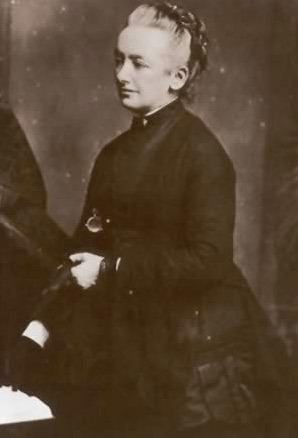
Sarah Belzoni at old age
Bitter return

In 1919 the Belzoni family returned to England, where two years later they set up a large exhibition at the Egyptian Hall in London with casts of the tomb of Sethi I, some scale models of the pyramids and Abu Simbel temple and a large collection of mummies and small finds.

In 1823 Giovan Battista Belzoni returned to Africa, where he found death, probably in Benin, while searching for Timbuktu and the springs of Niger. Sarah, who remained in England, continued to take care of her husband’s work, trying to show her discoveries in an exhibition in 1925, which however had very little success.

She spent the last years of her life first in Brussels and then on the Channel Islands, where she died in 1870. From 1851 the English Parliament granted her a modest pension for her husband’s cultural merits.

Tradotto da: https://archeome.it/personaggi-sarah-belzoni-amore-e-avventura-allombra-delle-piramidi/

Pubblicabili da revisionare

Sarah Belzoni, amore e avventura all’ombra delle piramidi

I coniugi Belzoni ritratti in abiti orientali

Sarah Belzoni è stata artista, archeologa ed esploratrice. Moglie dell’eclettico antiquario ed esploratore padovano Giovan Battista Belzoni, continuò a condurre ricerche e a curare pubblicazioni anche dopo la prematura morte del marito.

Un colpo di fulmine con il bell’italiano

Della giovinezza di Sarah Belzoni, nata Sarah Banne a Bristol nel 1783, si sa abbastanza poco. Probabilmente non aveva fatto studi classici, ma era una donna di discreta cultura.

Nel 1803 conobbe Giovan Battista, all’epoca da poco trasferitosi in Inghilterra. Qui l’eclettico viaggiatore italiano si esibiva in un circo, sfruttando il suo poderoso aspetto fisico (era alto più di due metri). Sembra che fu un colpo di fulmine e che Sarah, descritta da Charles Dickens come una donna “delicata e di bell’aspetto”, in alcune occasioni si esibì assieme al marito: i primi anni di matrimonio furono vissuti dalla coppia in Inghilterra, al seguito di spettacoli itineranti.

Tuttavia, Belzoni, che aveva studiato archeologia e ingegneria a Roma, voleva essere ben altro che un circense e, sicuramente, Sarah lo incoraggiò a riprendere le sue aspirazioni e a diventare un esploratore e un antiquario.

Finalmente l’Egitto

Nel 1815 i coniugi raggiunsero l’Egitto, dove Giovan Battista trovò impiego come ingegnere idraulico al servizio del governatore Alì Pasha. Presto, però, l’italiano fu assunto dal console inglese Henry Salt per recuperare antichità egiziane da destinare al British Museum. Iniziarono, a questo punto, una serie di viaggi e spedizioni che, tuttavia, non inclusero la presenza di Sarah, puntualmente lasciata nella grande città più vicina (Cairo, Rosetta, Aswan).

In assenza del marito, la giovane inglese si dedicò ad approfondire usi e costumi del paese che la ospitava, in special modo per quanto riguardava le donne. Ne è testimonianza uno dei pochissimi scritti che ci è rimasto di Sarah Belzoni, un capitolo intitolato “Mrs. Belzoni’s trifling account of the women of Egypt, Nubia, and Syria”, pubblicato all’interno dell’opera di Giovan Battista “Narrative of the Operations and Recent Discoveries Within the Pyramids, Temples, Tombs and Excavations in Egypt and Nubia”.

Sarah, nei mesi di permanenza in Egitto, dimostrò grande sagacia, intelligenza e spirito di adattamento, oltre ad essere un’acuta osservatrice della civiltà che le era intorno. I rapporti coltivati con le donne egiziane, arabe e nubiane ci vengono raccontati con perspicacia e arguzia dalla stessa Mrs Belzoni. Interessante il racconto di come Sarah avesse iniziato a scambiare manufatti e bigiotteria inglese, soprattutto perline, con grani di collana antichi che le abitanti locali le portavano in dono.

In prima linea, da sola

Stanca di rimanere ai margini della scena, all’inizio del 1818 partì da sola, vestita da uomo, per la Palestina e visitò, prima donna europea a farlo, la spianata delle moschee a Gerusalemme. Accompagnata solo da una guida locale, sempre in abiti da giovane uomo turco, Sarah viaggiò lungo la valle del Giordano fino a Gerico.

Tornata in Egitto, contribuì a salvare le pitture murali della tomba di Sethi I, minacciata da un’alluvione, e, nei primi mesi del 1819, rimase bloccata per un periodo di tempo a Rosetta, mentre il marito si trovava in Libia, a causa di un’epidemia di peste. Qui passò il tempo della quarantena allevando camaleonti, ai quali pare volesse molto bene, arrivando a tenerli come animali da compagnia.

Sarah Belzoni
Sarah Belzoni in età avanzata

Ritorno amaro

Nel 1919 i Belzoni rientrarono in Inghilterra, dove due anni più tardi allestirono la grande esposizione all’Egyptian Hall, a Londra, con i calchi della tomba di Sethi I, alcuni modelli in scala delle piramidi e del tempio di Abu Simbel e una nutrita collezione di mummie e reperti di piccole dimensioni.

Nel 1823 Giovan Battista Belzoni tornò in Africa, dove trovò la morte, probabilmente in Benin, mentre cercava Timbuktu e le sorgenti del Niger. Sarah, rimasta in Inghilterra, continuò a curare i lavori del marito, cercando di esporre le sue scoperte in una mostra, nel 1925, che tuttavia ebbe scarsissimo successo.

Passò gli ultimi anni della sua vita prima a Bruxelles poi nelle Channel Island, dove morì nel 1870. Dal 1851 il Parlamento inglese le concesse una modesta pensione per i meriti culturali del marito.

Archivio

NEWS | “Paesaggi rurali nella Sicilia greca e romana”, termina il convegno

Il 13 e 14 novembre 2020 si è svolto il Convegno online dal titolo “Paesaggi rurali nella Sicilia greca e romana”, curato dalla Soprintendenza per i Beni Culturali di Catania e dall’Università di Catania.

Il Convegno ha accolto studiosi da tutto il mondo con interventi su insediamenti, installazioni produttive e viabilità dall’età arcaica agli albori del medioevo. Il Convegno avrebbe dovuto svolgersi a Ramacca (CT) nel mese di marzo: l’annullamento causa Covid19 non ha, però, impedito di riscuotere un buon successo anche attraverso Microsoft Teams.

Cosa è stato detto

Il 14 novembre il Convegno ha accolto diversi studi nell’ambito di due ricche sessioni: insediamenti e viabilità di età romana e di età tardo antica e medievale in Sicilia. Durante il secondo intervento della mattinata (ore 9.20), la Dott.ssa Maria Teresa Magro, archeologa della Soprintendenza per i Beni Culturali di Catania, nonché Direttrice del Comitato Scientifico della nostra Redazione, il Dott. Rodolfo Brancato e i ricercatori Laura Manganelli e Vittorio Mirto si sono alternati ai microfoni.

Dentro la villa romana di Ramacca (CT)

L’intervento a quattro voci ha esposto i dati preliminari e le nuove ricerche sulla villa romana di contrada Castellito a Ramacca (CT). La villa era già stata individuata sulla parte più alta di un poggio e scavata negli anni ’70 e ’95-’96; i primi scavi hanno riportato in luce gli ambienti della pars rustica e, successivamente, è riemersa la pars dominicia, identificata dalla dott.ssa Maria Teresa Magro, funzionaria della Soprintendenza di Catania e Direttrice del nostro comitato scientifico (per i suoi contributi alla rivista ArcheoMe clicca qui). I restauri del 2019 sono stati necessari a causa di atti vandalici e sterri di ruspa: i rilievi 3D con droni e GPS differenziali hanno aiutato molto; protagonisti indiscussi dei rilievi sono stati i bellissimi mosaici, decorati da svastiche, losanghe e doppie trecce.

I mosaici della villa romana di Ramacca (CT)

Mascalucia (CT), tra età romana e tardo antica

L’intervento introduttivo del pomeriggio su Mascalucia (CT) romana e tardo antica ha riguardato i fenomeni economici e sociali del medio versante dell’Etna. Le ricerche avvenute nel corso degli anni sono sono state esposte dalla Dott.ssa Magro, dal Dott. Antonino Mazzaglia e dal Dott. Alberto D’Agata, prezioso collaboratore della nostra Redazione (per i suoi contributi alla rivista clicca qui). I primi dati a riguardo provengono da fonti storiche, non a caso Strabone (VI, 2) considera benefiche le colate laviche:

“Si rivelano un beneficio per la campagna perché la rendono fertile e producono una vite eccellente, mentre il resto del territorio non produce vino di alta qualità. Dicono inoltre che le radici che fuoriescono dai campi coperti di cenere ingrassino a tal punto il bestiame da farlo soffocare”.

L’evidenza archeologica delle ricche produzioni proviene dalle zone risparmiate dalle colate. Viagrande e Trecastagni (CT) hanno restituito anfore da trasporto di produzione africana e frammenti di coppette in sigillata; le anfore sono di grandi dimensioni e dovevano contenere olio, vino o salsa di pesce. Ad Aci Catena (CT) si sentì la necessità di produrre contenitori per vino che passavano da Capo Mulini (CT): infatti, condutture per l’acqua sono state trovate riempite per oltre due metri da frammenti di anfore.

Frammenti di anfore da trasporto da Viagrande e Trecastagni (CT)
L’uomo, motore dell’economia

Il Convegno sulla Sicilia ha visto anche l’intervento del Dott. Mazzaglia, il quale si è concentrato sulla storia umana nel territorio di Mascalucia (CT); è evidente la presenza di strutture produttive fisse, da cui provengono tegole patinate da fornaci e frammenti di ceramica sigillata africana, campana… Era sì un territorio produttivo, ma anche ben servito: tutto giungeva tramite una fitta rete di collegamenti con Catania

Per una carta geologica di Mascalucia (CT)

Il Dott. D’Agata ha parlato delle ricognizioni sul territorio di Mascalucia (CT) sulla base della carta geologica dell’Etna (Branca, 2011). Ha individuato tutte le colate antiche di età preistorica (41.28%), romana (8.47%) e tardo antica (0.003%) in un perimetro di circa 25 km. Il territorio confinante con la proprietà privata della famiglia Bonaiuto ha, inoltre, restituito tegole e mattoni di suspensurae, i sostegni del pavimento, frammenti di ceramica africana e focese.

Carta geologica di Mascalucia (CT) dallo studio delle colate antiche. In rosso le aree archeologiche in superficie, in blu quelle all’interno delle cave di ghiara.